
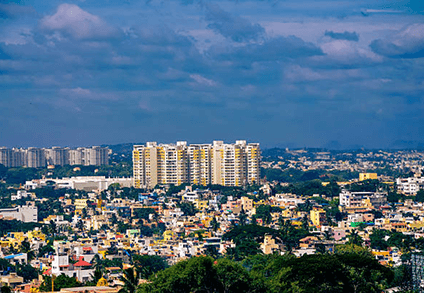
Bangalore has long been a magnet for dreamers and doers, earning its spot as India’s Silicon Valley. With booming IT sectors, startups sprouting everywhere and a vibrant economy that’s constantly evolving, it’s no wonder the city is a top pick for those looking to buy property in Bangalore. Whether you’re a first-time buyer, an investor eyeing growth or someone relocating for work, the real estate scene here offers exciting opportunities. Property values have been on a steady rise, driven by infrastructure upgrades like metro expansions and airport proximity developments. In 2026, trends show sustained price appreciation, especially in luxury and premium segments, with high demand pushing average home prices beyond ₹1 crore for many. But don’t worry, this guide is your step-by-step roadmap to make a secure, informed purchase. We’ll cover everything from budgeting to legal checks, helping you tap into the potential for strong appreciation and solid rental income. If you’re ready to buy property in Bangalore, let’s dive in.
Step 1: Defining Your Property Requirements and Budget
Before you start scrolling through listings, take a moment to reflect on what you really need. Buying property in Bangalore isn’t just about finding a roof, it’s about matching your lifestyle, family size and future plans. Start by listing out essentials: How many bedrooms (BHK) do you need? A cozy 2BHK for a small family or a spacious 4BHK for growing needs? Think about amenities like gyms, pools, parks or security features that make daily life easier.
Location plays a big role, too. Do you want quick access to IT hubs, schools or hospitals? Once you’ve nailed down your requirements, it’s time to crunch numbers for a realistic budget. Look at your monthly income, savings and any debts. Tools like online EMI calculators can help estimate what you can afford. In Bangalore, home loan eligibility depends on factors like your salary, age and credit score. Most banks offer loans covering up to 80-90% of the property value.
But remember, the sticker price isn’t the full story. Factor in extras that bump up the cost of buying a house in Bangalore: stamp duty (typically 3-5% of the property value), registration fees (around 1-2%), legal fees (₹50,000-₹1 lakh) and initial maintenance or society charges. For a ₹1 crore property, these could add another ₹5-7 lakh. Pro tip: Pre-approve your home loan to strengthen your position when negotiating. This way, you’re not just dreaming, you’re prepared to buy property in Bangalore with confidence.
Step 2: Researching Bangalore Localities and Property Types
Bangalore’s real estate landscape is as diverse as the city itself, with options ranging from bustling urban centres to serene suburbs. To buy property in Bangalore smartly, research localities that align with your goals. North Bangalore is exploding with potential, areas like Thanisandra, Hebbal, Yelahanka and Devanahalli are hotspots thanks to the international airport, metro lines and upcoming IT parks. These spots offer great connectivity and are seeing rapid infrastructure growth, making them ideal for investment with expected appreciation rates of 10-15% annually.
On the east side, Sarjapur Road and Whitefield continue to thrive with tech corridors and established communities. Electronic City in the south is perfect for IT professionals, while Kanakapura Road appeals to those seeking greener, more affordable options with good road links. Emerging areas like Hennur Road and Doddaballapura are gaining traction for their balance of affordability and future upside.
Now, property types: Apartments are popular for their convenience and amenities, especially in high-rises from reputable developers. Villas offer privacy and space but come at a premium. Plots let you build your dream home but require more planning. Decide between ready-to-move-in properties (no construction delays, immediate occupancy) versus under-construction ones (often cheaper but with risks like project timelines). In 2026, trends favor near-completion projects in growth zones for better returns. Whichever you choose, focus on areas with strong rental yields, Whitefield and North Bangalore often hit 3-4% annually. Thorough research here ensures your decision to buy property in Bangalore pays off long-term.
Step 3: Leveraging Online Property Platforms for Your Search
In today’s digital age, hunting for property has never been easier. Online real estate platforms are your best choice when planning to buy property in Bangalore. These sites let you filter searches by location, budget, BHK type and amenities, saving you time from endless site visits.
Start with advanced filters to narrow down options like 3 BHK apartments in Hebbal under ₹1.5 crore with a pool. Many platforms offer verified listings to avoid scams, complete with photos, floor plans and even virtual tours. Map-based searches help visualize commute times to work or schools. You can directly connect with sellers or agents for more details and some even provide market insights or price comparisons.
For a smoother experience, look for platforms that integrate tools like loan eligibility checks or legal advice hubs. Reputable developers often list their projects here, showcasing premium options in prime areas. Shortlist 5-10 properties, then schedule visits. This efficient approach turns the overwhelming task of buying property in Bangalore into a manageable, exciting process.
Step 4: Critical Legal Due Diligence and Document Verification
This step is non-negotiable. Skipping it could turn your dream purchase into a nightmare. When you buy property in Bangalore, legal due diligence protects your investment from hidden issues like disputes or fraud. Hire a qualified real estate lawyer early; their expertise is worth every penny, often costing ₹20,000-₹50,000 for a full check.
Here’s a comprehensive checklist to guide you:
- Title Deed/Mother Deed: This traces ownership history back at least 30 years. Ensure it’s clear and free of encroachments.
- Encumbrance Certificate (EC): Issued by the sub-registrar, it confirms no loans, liens or legal cases on the property for the past 13-30 years.
- Khata Certificate and Extract: From the BBMP (Bruhat Bengaluru Mahanagara Palike), this proves the property is registered for taxes. Aim for ‘A’ Khata for better loan approvals and resale value; ‘B’ Khata might limit options.
- Land Use and Zoning Approvals: Verify the property complies with Bangalore’s master plan, residential zones can’t be commercial without permission.
- Land Conversion Certificate: Essential if the land was agricultural; it must be converted for residential use.
- Approved Building Plan, Occupancy Certificate (OC) and Completion Certificate (CC): For built properties, these ensure construction meets standards and is habitable. Without OC, utilities might be tricky.
- RERA Registration: Under RERA Karnataka, all new projects must be registered. Check the developer’s track record on the RERA website for complaints or delays.
- No Objection Certificates (NOCs) and Latest Tax Paid Receipts: From authorities like BWSSB (water), BESCOM (electricity) and pollution boards, plus proof of no pending taxes.
- Sale Agreement Review: Your lawyer should scrutinize the draft for fair terms on payment, possession and penalties.
For resale properties, double-check these to avoid inheritance disputes. The Khata transfer process involves applying to BBMP with documents and fees (around ₹2,000-₹5,000). Done right, this step gives you peace of mind when you buy property in Bangalore.
Understanding the Home Loan Application Process
Securing financing is a key part of buying property in Bangalore, especially with rising prices. Home loans make it accessible, but understanding the process helps avoid hiccups. First, assess eligibility: Banks look at your income (stable job or business), age (18-70 years) and credit score (above 700 is ideal). For a ₹1 crore loan, you might need a monthly income of ₹1-1.5 lakh.
Gather documents: KYC (PAN, Aadhaar), income proofs (salary slips, IT returns) and property papers. Apply online or at branches – multiple banks for comparison. In 2026, interest rates start from 7.10% p.a., with options like fixed or floating. Use an EMI calculator to plan repayments; for ₹50 lakh at 7.5% over 20 years, EMI is about ₹40,000.
The bank processes your application: Credit check, property valuation (technical and legal) and sanction letter (outlining amount, rate, tenure). Disbursement happens in stages for under-construction properties. Compare lenders for perks like zero prepayment fees or top-up loans. With careful planning, your home loan in Bangalore becomes a stepping stone to ownership.
Property Registration and Post-Purchase Formalities
You’ve found the perfect place, now seal the deal with registration. This transfers legal ownership and is mandatory under the Registration Act. Start with the Sale Deed, drafted by your lawyer, outlining terms, price and parties.
Calculate stamp duty and registration charges in Bangalore: Stamp duty is 3-5% of the market or guidance value (whichever higher), registration around 1-2%. For a ₹80 lakh property, expect ₹4-5 lakh total. Pay online via the Kaveri portal (kaverionline.karnataka.gov.in) for convenience.
Book an appointment at the Sub-Registrar Office via the portal. On the day, bring originals, witnesses and undergo biometric authentication. The deed is registered and you get it back in 15-30 days.
Post-registration: Apply for mutation (updating revenue records) and Khata transfer at BBMP. This ensures you’re the official owner for taxes and utilities. Transfer electricity, water and gas connections simple online processes. These steps finalize your journey to buy a property in Bangalore securely.
Special Considerations for Non-Resident Indians (NRIs)
If you’re an NRI eyeing Bangalore’s real estate, you’re in luck. The city’s IT boom and appreciation potential make it a smart choice. Under FEMA rules, NRIs can buy residential or commercial properties without RBI approval, but agricultural land needs permission. No limits on the number of properties.
Home loans are available in Indian Rupees from Indian banks, with eligibility similar to residents but requiring a Power of Attorney for local handling. Interest rates mirror those for residents, around 7-8%. Repatriation of sale proceeds is allowed up to the invested amount, minus taxes.
Bangalore appeals to NRIs for its rental income (3-5%) and growth in areas like North Bangalore. Many developers offer end-to-end services, including virtual viewings and legal assistance. TDS on purchase is 1% for properties over ₹50 lakh. With proper planning, NRIs can seamlessly buy property in Bangalore and build wealth back home.
Conclusion: Making a Confident Investment in Bangalore Real Estate
Wrapping up, buying property in Bangalore is an adventure worth taking with the right preparation. From defining your needs and budgeting to researching localities, using online tools and nailing legal checks, each step builds toward a sound decision. Don’t forget financing, registration and post-purchase tasks. They’re crucial for a hassle-free experience. For NRIs, the process is straightforward with added perks.
In 2026, with trends like luxury booms and north-side growth, the market rewards the informed. Follow this guide, consult experts and you’ll navigate how to buy property in Bangalore confidently. Whether for living or investing, properties from trusted developers like Adarsh Developers offer modern amenities in spots like Hebbal with projects to deliver lasting value.


